
Introduction to Balicasag Island Diving
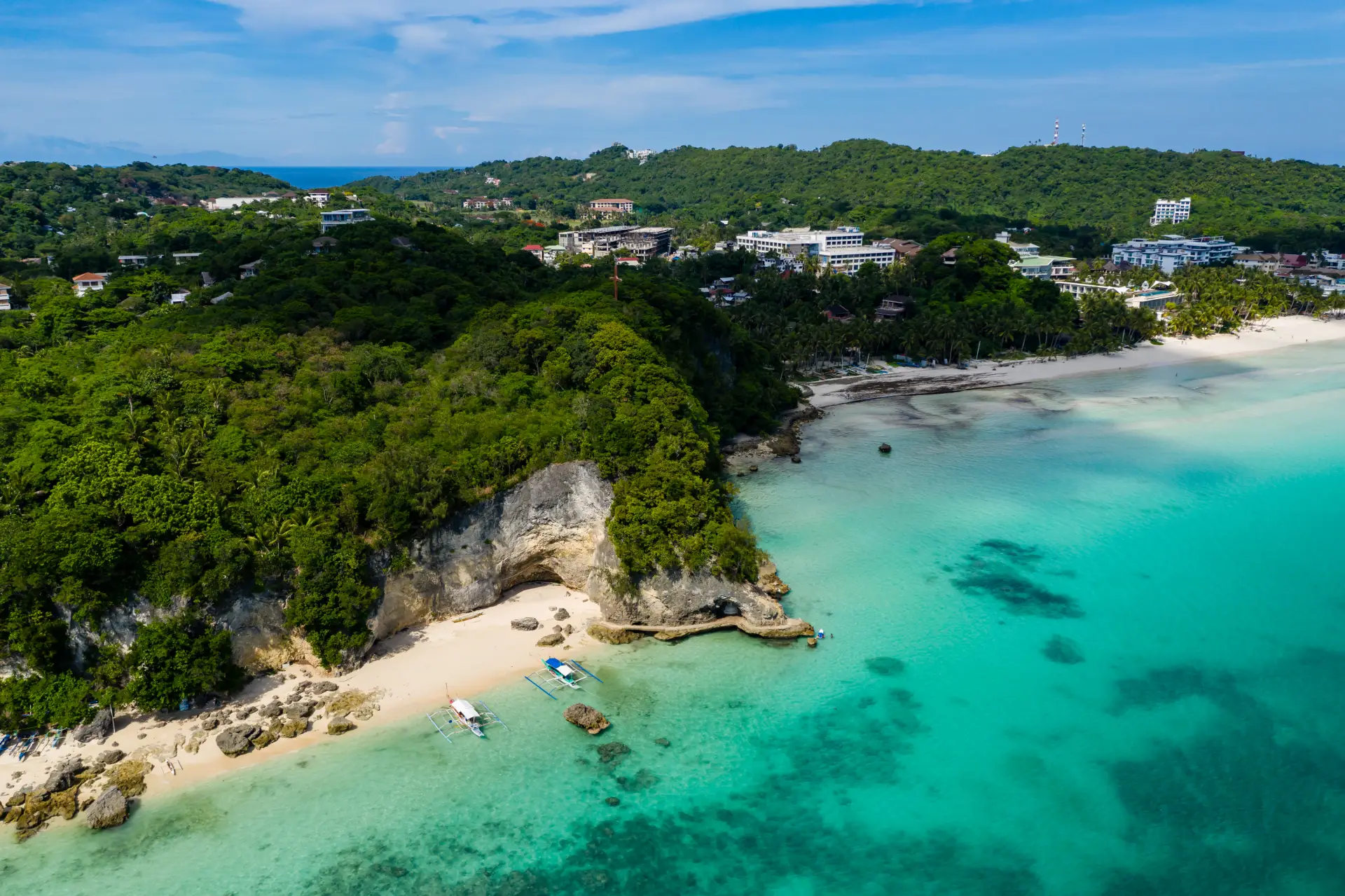
The diving of Balicasag Island, nestled off the coast of Bohol in the Philippines, stands as a beacon for divers worldwide. This small, uninhabited island is renowned for its protected marine sanctuary, where vibrant coral reefs and diverse marine life create an underwater utopia. A quick boat journey from Panglao Island transforms everyday explorers into witnesses of nature’s grandeur, with encounters that range from graceful sea turtles to massive schools of barracudas and jackfish. As part of the Bohol Sea’s rich ecosystem, Balicasag offers year-round diving opportunities, making it accessible for both seasoned pros and enthusiastic beginners.
What draws crowds to this spot is not just the accessibility but the sheer quality of the dives. The island’s perimeter features steep walls plunging into deep blues, teeming with life that rivals the world’s top dive destinations. In this blog post, we’ll dive deep into what makes Balicasag special, from its prime locations and spectacular sights to practical tips, ecological importance, and the ongoing efforts to preserve this gem for future generations.
What Makes Balicasag a Diving Hotspot?
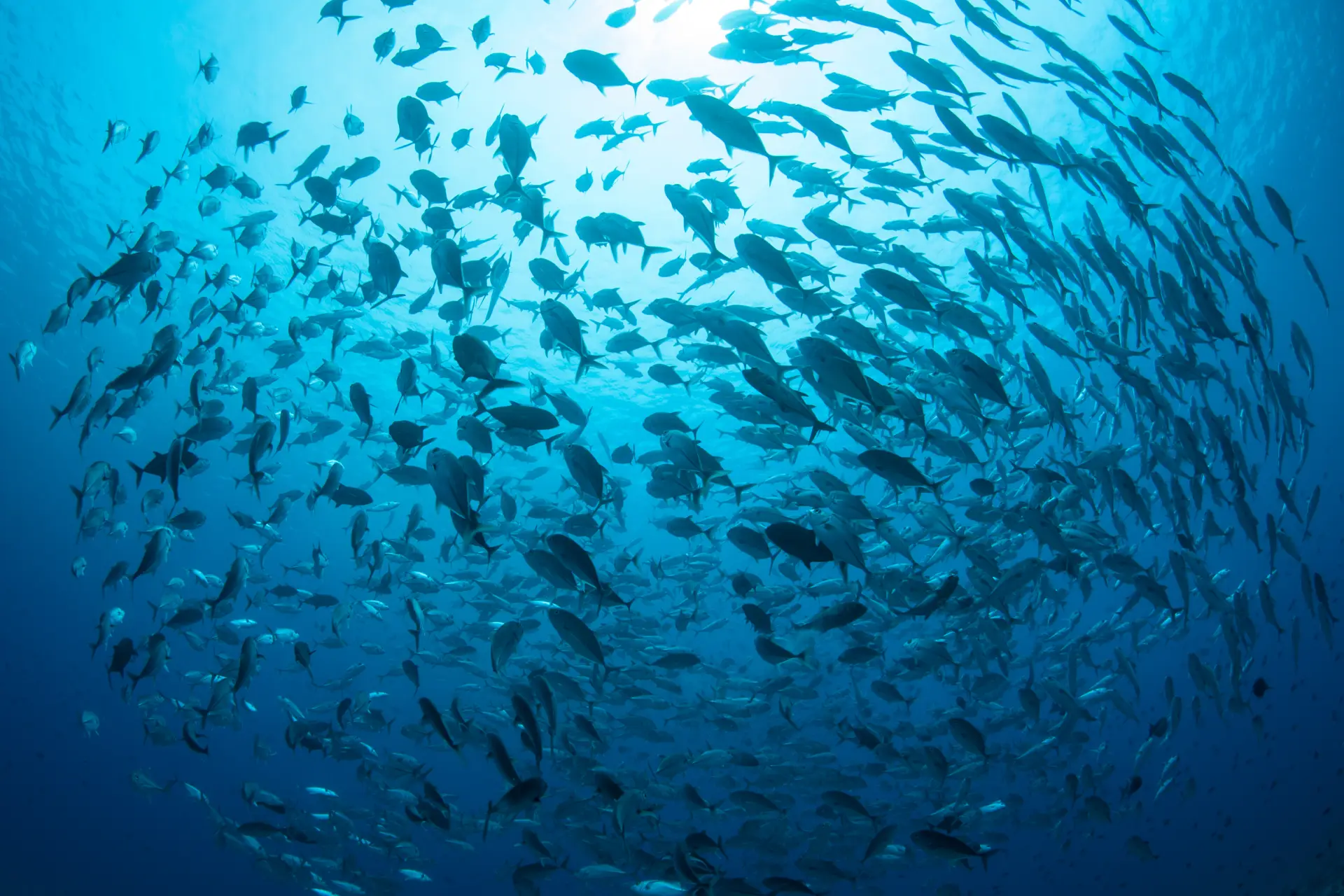
Balicasag Island is encircled by a 400-meter marine sanctuary established to protect its pristine reefs and inhabitants. The dives here are characterized by dramatic topography: sheer walls dropping from shallow plateaus to depths of 40 meters or more, adorned with hard and soft corals, sea fans, and sponges. Currents bring nutrient-rich waters, fostering an explosion of marine biodiversity. Divers often encounter “tornadoes” of jackfish swirling in hypnotic patterns, a sight that’s both mesmerizing and photogenic.
Unlike seasonal events, Balicasag’s attractions are consistent, though visibility peaks during the dry season from November to May. The sanctuary’s no-take policy ensures healthy fish populations, creating a balanced ecosystem where predators and prey coexist in harmony. This setup provides thrilling drift dives along the walls, where the current carries you effortlessly past colorful vistas.
Location and Accessibility
Situated about 12 kilometers southwest of Panglao Island in Bohol Province, Balicasag is easily reached by a 45 to 60-minute boat ride from Alona Beach, the main hub for divers in the area. Alona Beach is lined with dive shops offering day trips, gear rentals, and guided excursions. A typical trip includes two to three dives, with surface intervals spent snorkeling or relaxing on the island’s small beach.
Access requires a short banca boat transfer, and environmental fees of around 300 to 500 pesos per person support the sanctuary’s maintenance. For those staying in Panglao, resorts like those along Alona provide convenient pickups. The island itself has no accommodations, so day trips are the norm, but liveaboards occasionally include it in itineraries exploring the Visayas region. Its proximity to other sites like the sardine run at Napaling makes it ideal for multi-site diving vacations.
 The Underwater Spectacle
Descending into Balicasag’s waters feels like entering a living aquarium. At sites like Black Forest, named for its dense black coral formations, divers glide along a sloping reef that drops into a wall buzzing with activity. Schools of barracudas patrol the edges, while massive jackfish form bait balls that twist and turn in response to invisible cues. The Cathedral Wall, with its cavernous overhangs, offers dramatic swim-throughs illuminated by shafts of sunlight.
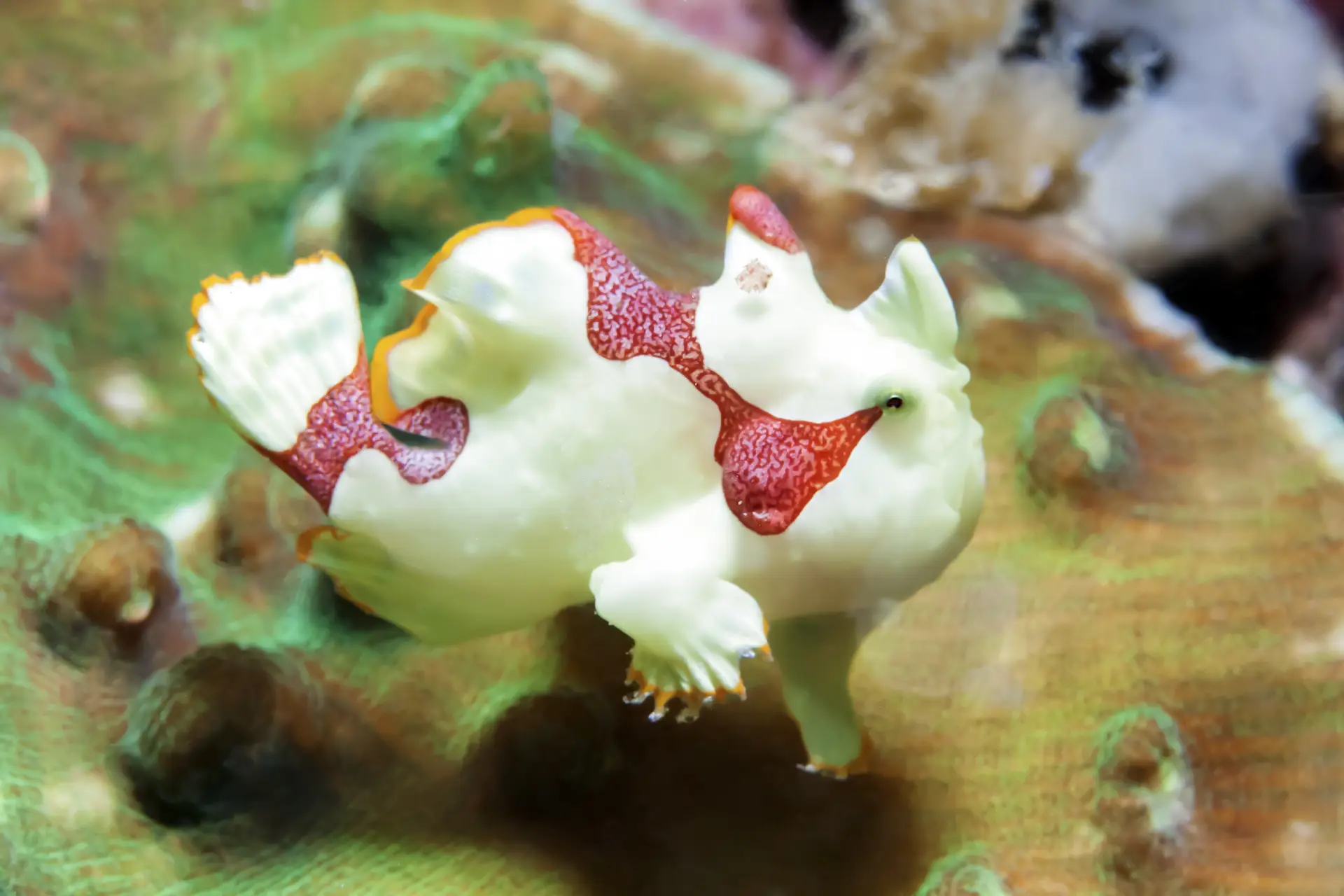
Turtle Point lives up to its name, where green and hawksbill turtles graze on seagrass or rest on ledges, often allowing close approaches. Rico’s Wall features a steep drop-off starting at 5 meters, perfect for spotting macro life like nudibranchs and frogfish amid the corals. Divers Heaven and Royal Garden showcase gardens of anemones and soft corals swaying in the current, with occasional sightings of reef sharks or eagle rays. The combination of macro and wide-angle opportunities makes every dive unique and rewarding.
Marine Biodiversity
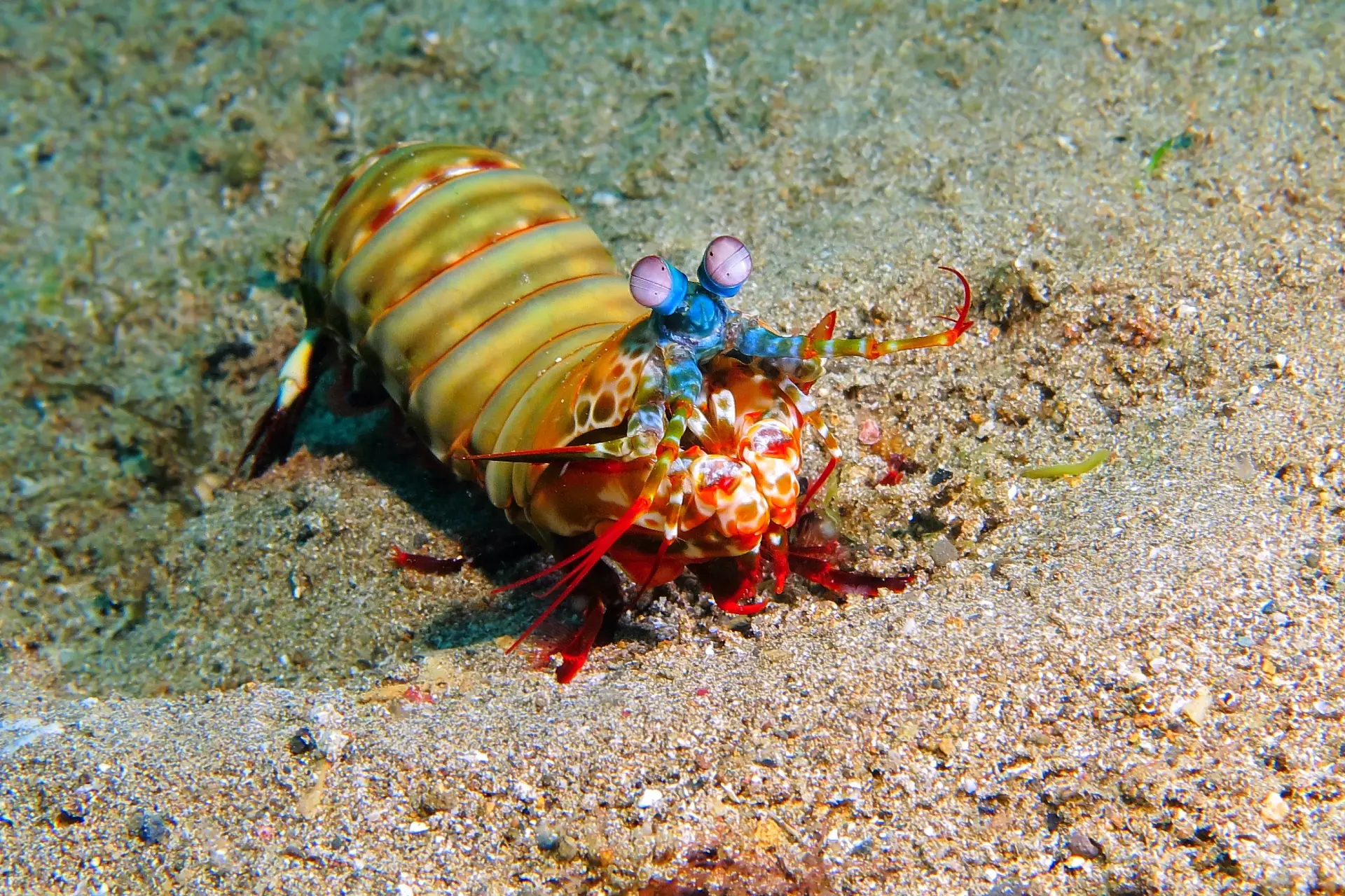
Balicasag’s sanctuary hosts an astonishing array of species, thanks to its protected status. Over 200 types of hard and soft corals form the backbone of the ecosystem, supporting fish like butterflyfish, angelfish, and clownfish darting among anemones. Pelagic visitors include tuna, mackerel, and even hammerhead sharks during certain seasons. Macro enthusiasts delight in pygmy seahorses, ghost pipefish, and colorful nudibranchs clinging to the walls.
Sea turtles are the stars, with populations thriving due to conservation efforts. Larger creatures like mantas and whale sharks occasionally pass through, drawn by plankton blooms. The biodiversity extends to invertebrates: giant clams, sea stars, and urchins dot the shallows, while octopuses camouflage themselves on the sandy patches. This variety not only enchants divers but also serves as a vital breeding ground for the surrounding seas.
Diving and Snorkeling Experiences
Balicasag caters to all levels. Beginners can enjoy shallow reefs with calm conditions, while advanced divers tackle deeper walls with stronger currents. Most dives are boat-based, with guides leading small groups to highlight key features. Snorkelers can experience the shallower parts, floating above turtle grazing areas or jackfish schools.
A standard day trip might start with a wall dive at Black Forest, followed by Turtle Point, and end with a relaxed exploration of the sanctuary. Water temperatures hover around 26-30°C, with visibility often exceeding 30 meters. Tips for visitors include booking with reputable shops that prioritize eco-friendly practices, using reef-safe sunscreen, and maintaining good buoyancy to avoid damaging corals. Many recount tales of turtles swimming alongside them or jackfish enveloping the group in a silvery vortex.
 Ecological Significance
As a marine protected area, Balicasag plays a crucial role in preserving Bohol’s coastal ecosystems. The sanctuary acts as a “source” for larvae and juvenile fish that populate nearby reefs, enhancing overall marine health. It demonstrates how targeted protection can lead to thriving biodiversity, serving as a model for other Philippine sites. The nutrient upwellings support a food web that benefits local fisheries sustainably.
Eco-tourism here generates income for communities, fostering a vested interest in conservation. Studies show increased fish biomass within the sanctuary compared to fished areas, highlighting its importance in combating overfishing and habitat loss.
Conservation Challenges
Despite its protections, Balicasag faces threats from climate change, including coral bleaching from warming waters. Illegal fishing occasionally encroaches, and overtourism can lead to anchor damage or diver impacts. Plastic pollution and runoff from nearby developments also pose risks.
Local initiatives, supported by organizations like the Bohol Marine Triangle Project, enforce regulations and educate visitors. Dive shops promote “no-touch” policies, and fees fund patrols and cleanups. Responsible tourism is key: choose operators committed to sustainability, avoid single-use plastics, and report violations to help safeguard this paradise.
 Fun Facts and Conclusion
Did you know Balicasag’s jackfish schools can number in the thousands, creating natural “tornadoes” that baffle predators? Or that the island’s name means “house of shells” in local dialect, reflecting its abundant mollusks? These tidbits add flavor to the experience. In conclusion, diving at Balicasag Island encapsulates the magic of Philippine waters—vibrant, accessible, and vital. By diving responsibly, we ensure this underwater jewel continues to shine, inviting more to discover its depths.
Whether chasing turtles or drifting along walls, Balicasag promises memories that linger long after surfacing.