
Top 5 Hidden Gem Dive Sites in Panglao You Haven’t Heard Of
When most people think of scuba diving Bohol, their minds immediately go to the famous walls of Balicasag Island. While Balicasag is undoubtedly world-class, the massive popularity of the site means permits can be hard to come by, and the reefs can sometimes feel a bit “busy.”
What many visitors don’t realize is that the coastline of Panglao itself is home to a series of spectacular “hidden gems” that offer pristine corals, unique topography, and incredible marine life—often without another dive boat in sight. If you want to escape the crowds and see a different side of diving Bohol, these are the five sites you need to add to your logbook.
Napaling Reef: The Wall of Silver
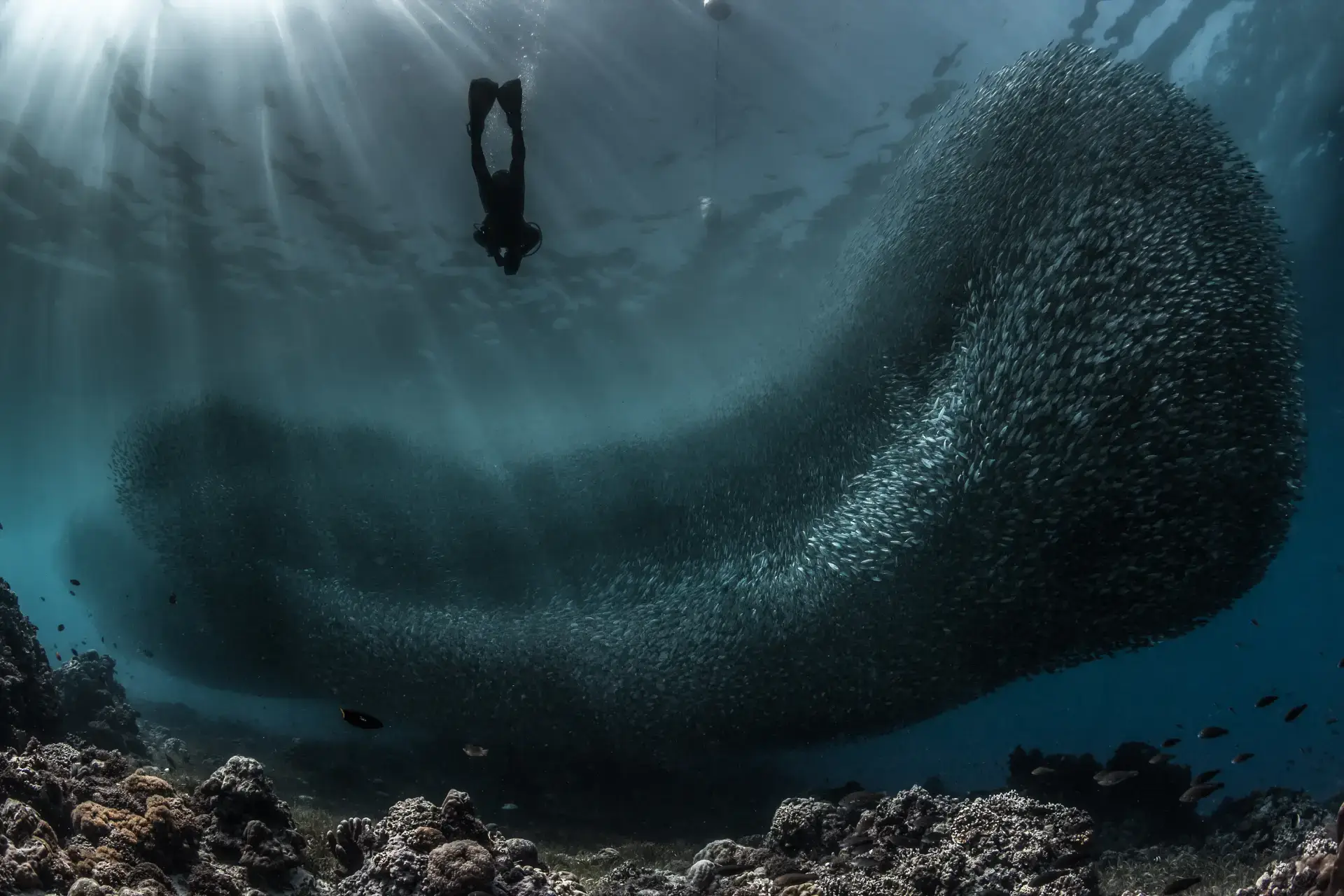
For a long time, Napaling was a local secret known only to free-divers and a few savvy locals. Located on the northern coast of Panglao, this site features a dramatic vertical wall that drops from 3 meters to over 30 meters.
The real draw here is the resident sardine run. Unlike the famous run in Moalboal, which can be swamped with tourists, Napaling offers a much more intimate experience. You can find yourself suspended in a massive, shimmering bait ball of millions of sardines, while predatory jacks and barracudas dart in from the blue to hunt. The wall itself is also covered in massive gorgonian fans and colorful soft corals, making it a dream for wide-angle photographers.
 Doljo Point: The Giant Fan Forest
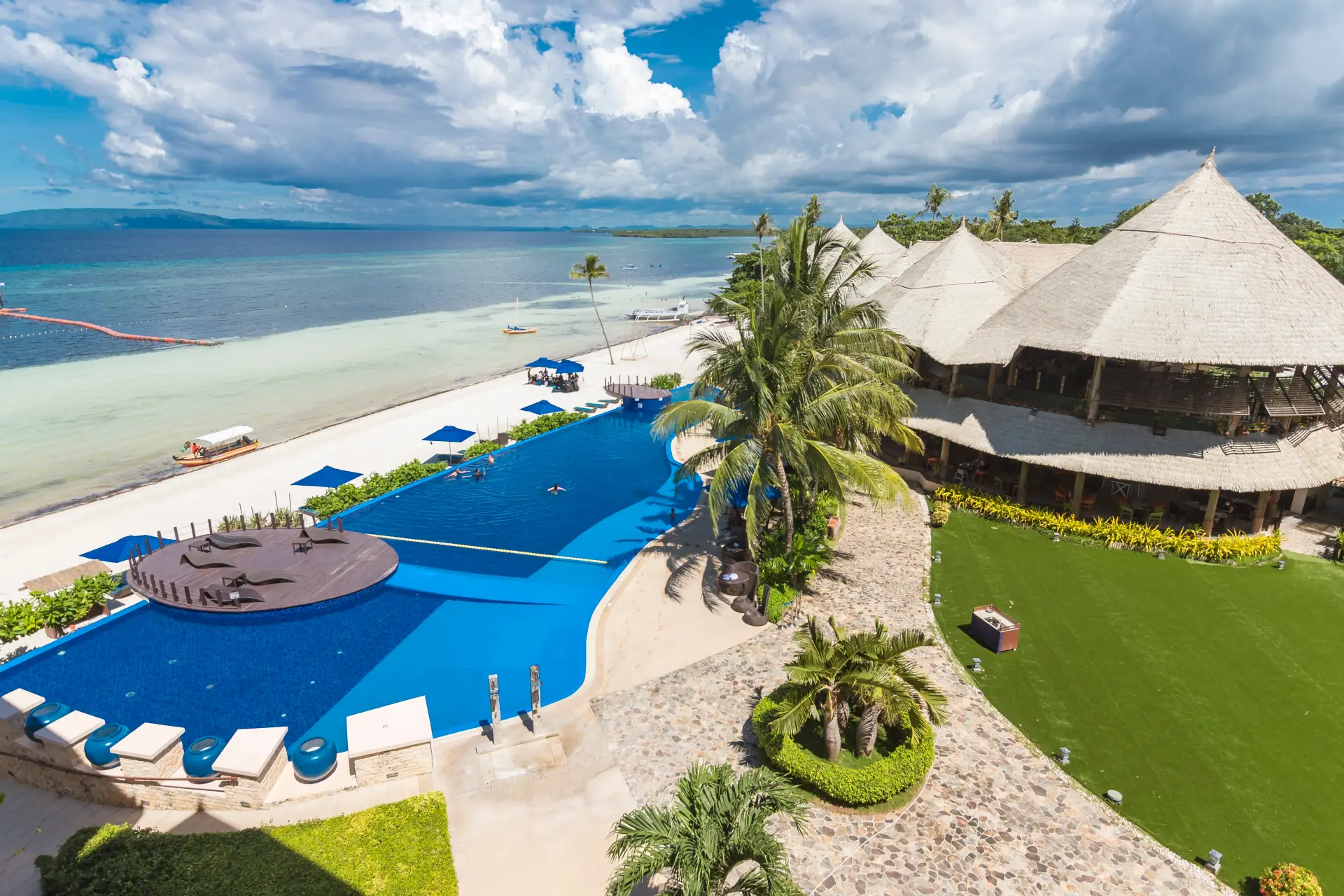
Located at the far northwestern tip of Panglao, Doljo Point is often overlooked because it is a bit further from the main tourist hub of Alona Beach. However, the extra 20-minute boat ride is well worth it.
Doljo is famous for its unspoiled coral gardens and towering walls. Because it sits at the tip of the island, it often gets a healthy current that brings in the “big stuff.” It is one of the best places in Panglao to spot pelagics like white-tip reef sharks, eagle rays, and even the occasional hammerhead during the cooler months. The deep section of the wall is home to some of the largest sea fans in the Philippines, some reaching over 3 meters across.
Arco Point: The Hole in the Wall
If you enjoy unique underwater geology, Arco Point is a must-visit. Also known as the “Hole in the Wall,” this site features a vertical tunnel that begins at a depth of about 5 meters and exits out of the main wall at 16 meters.
Swimming through the tunnel is an exhilarating experience, especially as you emerge into the blue to find the wall covered in vibrant sponges and soft corals. The area is a hotspot for eels—keep your eyes peeled for moray eels, ribbon eels, and snake eels in the sandy patches. It’s a fun, adventurous dive that offers a completely different vibe than a standard reef slope.
 The Habagat Wreck: A Sunken Treasure
While the Philippines is famous for the WWII wrecks of Coron, Panglao has its own small piece of “rust” for wreck enthusiasts. The Habagat Wreck is a small vessel that was sunk intentionally to create an artificial reef. It now rests on a sandy bottom at approximately 34 meters.
Over the years, the wreck has been completely reclaimed by the ocean. It is encrusted in sponges and provides a home for schools of batfish, lionfish, and massive frogfish. Because of its depth, it is primarily a dive for Advanced Open Water divers. Exploring the wreck and then finishing your dive on the nearby reef wall is a fantastic way to combine history and nature in a single tank.
Kalipayan Reef: The “Happy Wall”
Kalipayan is the house reef located just off the western end of Alona Beach, but don’t let its proximity to the shore fool you. Often used for training dives, many experienced divers skip it, which is a mistake.
Known as the “Happy Wall,” Kalipayan is a gentle, shallow wall that is teeming with macro life. It is arguably the best spot in Panglao for finding Harlequin Ghost Pipefish, flamboyant cuttlefish, and an endless variety of nudibranchs. Because it is sheltered and shallow, it offers incredible bottom time and great light for photography. It’s the perfect “easy” dive to end a day of exploring.
How to Experience Panglao’s Best Kept Secrets
The beauty of scuba diving Philippines is that there is always something new to discover if you know where to look. While the “big name” sites are great, these hidden gems offer a sense of exploration and tranquility that defines the true spirit of diving.
To get the most out of these sites, you need a dive center that values variety over a fixed routine. Shops like Sierra Madre Divers pride themselves on their local knowledge, often tailoring their daily boat trips to include these lesser-known spots based on weather conditions and diver interests. Whether you want to penetrate the tunnel at Arco Point or photograph the sardines at Napaling, their guides can show you the “secret” side of Panglao that most tourists never see.
If you’re ready to move beyond the guidebooks and see the best of diving Bohol, it’s time to head off the beaten path and explore the hidden reefs of Panglao.