
A Family Affair: How to Plan a Scuba Vacation with Teenagers in Egypt
Any parent of a teenager knows the struggle: how do you plan a vacation that is “cool” enough to keep them off their phones, adventurous enough to burn off their energy, but relaxing enough for you to actually enjoy your time off?
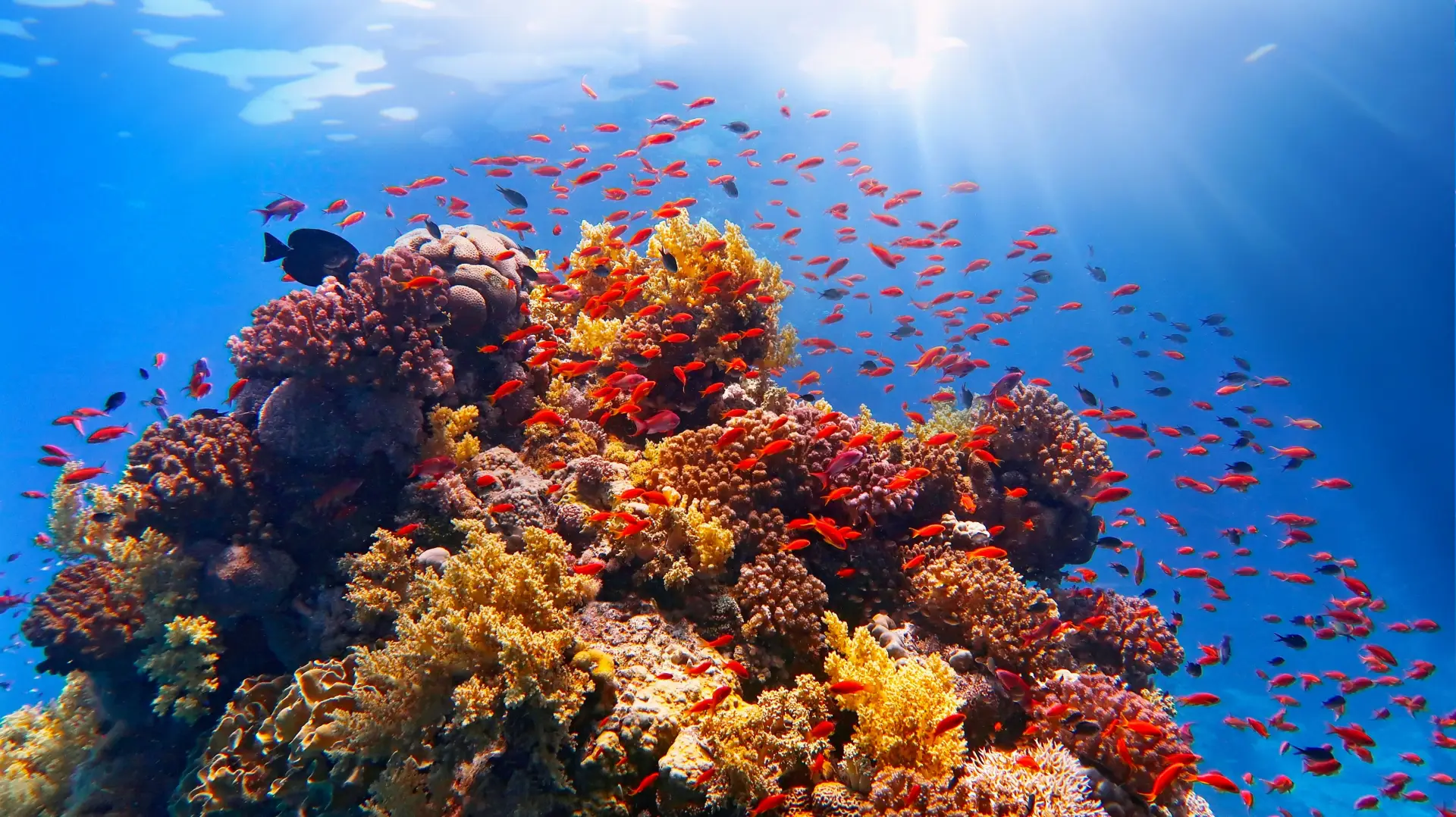
The answer lies 15 meters below the surface of the Red Sea.
Egypt is arguably the best destination in the world for a family scuba vacation. Between the crystalline visibility, the warm water, and the sheer “wow factor” of the marine life, it turns a standard family holiday into a shared expedition. For teenagers, scuba diving offers a sense of responsibility, a masterable skill, and a type of “social currency” (the GoPro footage alone is gold) that few other hobbies can match.
But planning a trip with teens requires a different strategy than a solo dive trip or a holiday with toddlers. Here is how to navigate the Red Sea with your teenage squad.
 1. Choosing Your Base: Hurghada vs. Sharm El Sheikh
While the Red Sea coastline is vast, two main hubs stand out for families.
-
Hurghada: This is the king of variety. Hurghada offers massive resorts with “Aqua Parks” and multiple pools, which are perfect if you have a mix of divers and non-divers (or younger siblings). The diving here is largely boat-based, with large, comfortable day boats that offer a great “base” for the day. It’s also the gateway to the Giftun Islands and the famous “Dolphin House.”
-
Sharm El Sheikh: Sharm feels a bit more cosmopolitan. The Naama Bay area is great for teens who want a bit of independence to walk around, grab a gelato, or shop for souvenirs in the evening. The diving here offers world-class walls like Ras Mohammed and the Straits of Tiran, which are perfect for teens who have already reached their Advanced Open Water certification.
2. The Training Phase: Get Certified as a Team
If your teens aren’t certified yet, Egypt is the ultimate classroom. The conditions are “easy”—minimal current in the training bays, no thermoclines, and visibility that makes it easy to see the instructor.
Pro Tip: Consider doing the “e-Learning” and pool sessions back home in Canada before you fly. This is called a referral course. It means your teens do the “boring” classroom and chilly pool work at home, and then they do their four “Check-out Dives” in the beautiful, warm Red Sea. This way, they aren’t studying on their vacation, and they are out on the boat with you from Day 1.
3. Gear Up: Give Them the Tech
Teenagers love gear. If you want them to take diving seriously, involve them in the tech side of things.
-
Dive Computers: A dive computer is the most important safety tool and the coolest “watch” they will ever own. Teaching them how to monitor their own depth and No-Decompression Limits (NDL) gives them a sense of autonomy and maturity.
-
Action Cameras: A GoPro or similar action camera is a game-changer. Giving a teenager the “job” of being the family videographer keeps them focused on the marine life and gives them a project to work on back at the hotel when they are editing their daily highlights for Instagram or TikTok.
4. Planning the Itinerary: Mix the “Big” with the “Cool”
For a teenager, seeing a “pretty reef” is great for about ten minutes. To keep them engaged, you need variety.
-
The “Nemo” Hunt: Even the toughest 16-year-old can’t resist finding a clownfish.
-
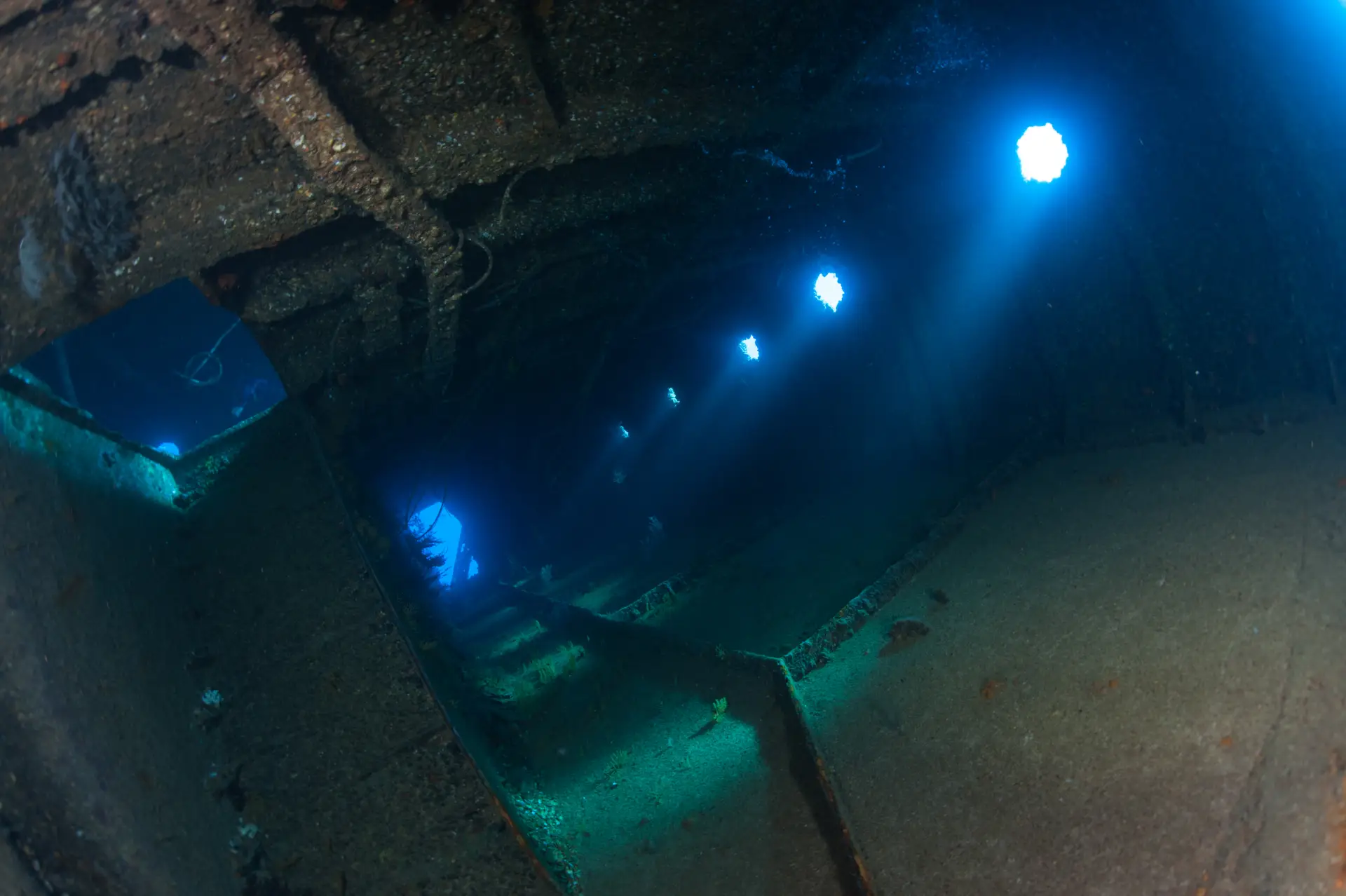
The Wrecks: Sites like the SS Thistlegorm (for older, advanced teens) or the shallower wrecks at Abu Nuhas are like underwater playgrounds. Seeing trucks, motorcycles, and steam engines underwater is a “cool factor” that few other things can touch.
-
Dolphin Encounters: If you are diving in Egypt out of Hurghada, a trip to Sha’ab El Erg is a must. Swimming with a wild pod of Spinner Dolphins is a core memory that will be talked about at family dinners for the next decade.
5. Managing the Surface Interval
Teens eat. A lot. When you are on a day boat in Egypt, the “buffet lunch” is a highlight of the day. Most Egyptian dive boats serve incredible, fresh local food—hummus, kofta, fresh salads, and pita.
Beyond the food, make sure the boat has a “sun deck” where they can hang out and a “shade deck” for when they’ve had too much sun. The social aspect of the boat—meeting people from all over the world—is a fantastic soft-skill builder for teenagers. They’ll learn to talk to adults from Germany, the UK, or Italy, all bonded by the same shared experience of the dive.
 6. The “24-Hour” Rule: Land Adventures
Because you can’t fly or dive for 24 hours before/after your sessions, use that time for an epic land-based adventure.
-
Quad Biking in the Desert: A sunset ATV tour through the Sinai or the Eastern Desert is a massive hit with teens.
-
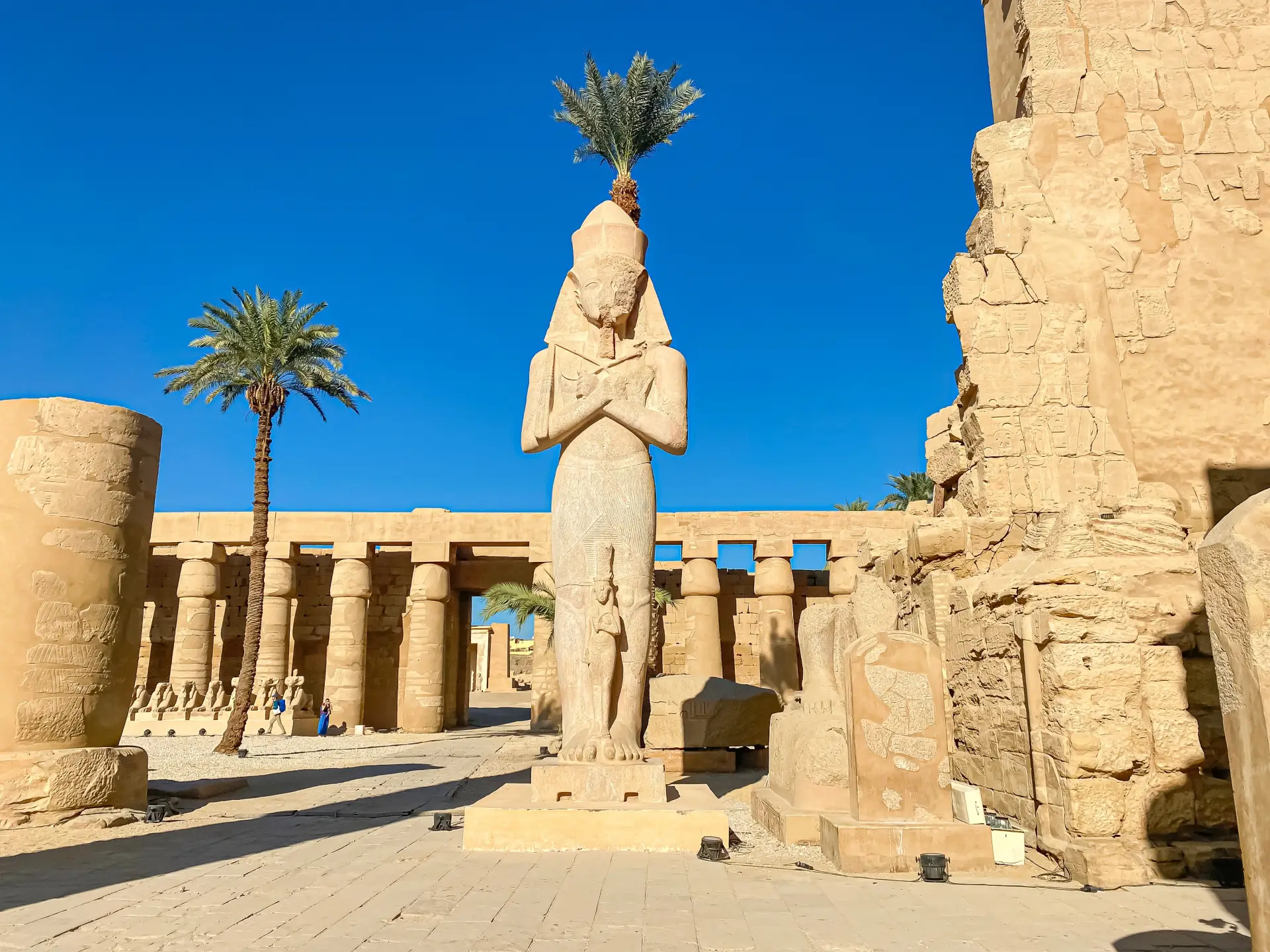
Luxor Day Trip: If they can handle a long day, a trip to the Valley of the Kings is a mind-blowing history lesson that makes school textbooks feel irrelevant.
7. Safety and Maturity
Diving requires a level of discipline. Use this to your advantage. It’s a great way to bond with your kids on an “adult” level. You aren’t just “Dad”; you are their Dive Buddy. This shift in dynamic—where you are both responsible for checking each other’s air and looking out for one another—builds a level of trust that is hard to replicate on land.
Conclusion
A scuba vacation in Egypt isn’t just about the fish; it’s about the connection. In a world where families are often pulled in different directions by school, sports, and screens, the Red Sea provides a place where you can all be present, silent, and in awe together. Whether it’s their first breath underwater or their 50th wreck dive, sharing the blue with your teenagers is the ultimate family “Flex.”