
Diving the Giannis D Wreck in the Red Sea: A Timeless Underwater Adventure
The Red Sea is world-renowned for its vibrant coral reefs, warm waters, and fascinating shipwrecks — but few combine beauty, accessibility, and history quite like the Giannis D. Resting peacefully beneath the surface near Abu Nuhas Reef, this legendary wreck is a favorite among divers exploring Egypt’s Red Sea coast. With its photogenic structure, resident marine life, and intriguing backstory, the Giannis D offers an unforgettable dive for wreck enthusiasts and reef lovers alike.
The Story Behind the Giannis D
The Giannis D began her life as a general cargo vessel built in Japan in 1969. Originally named Shoyo Maru, she was later sold to a Greek shipping company and renamed Giannis D. In April 1983, while en route from Croatia to Saudi Arabia carrying a load of timber, she struck the treacherous Abu Nuhas Reef — a notorious hazard to ships navigating the narrow Gulf of Suez.
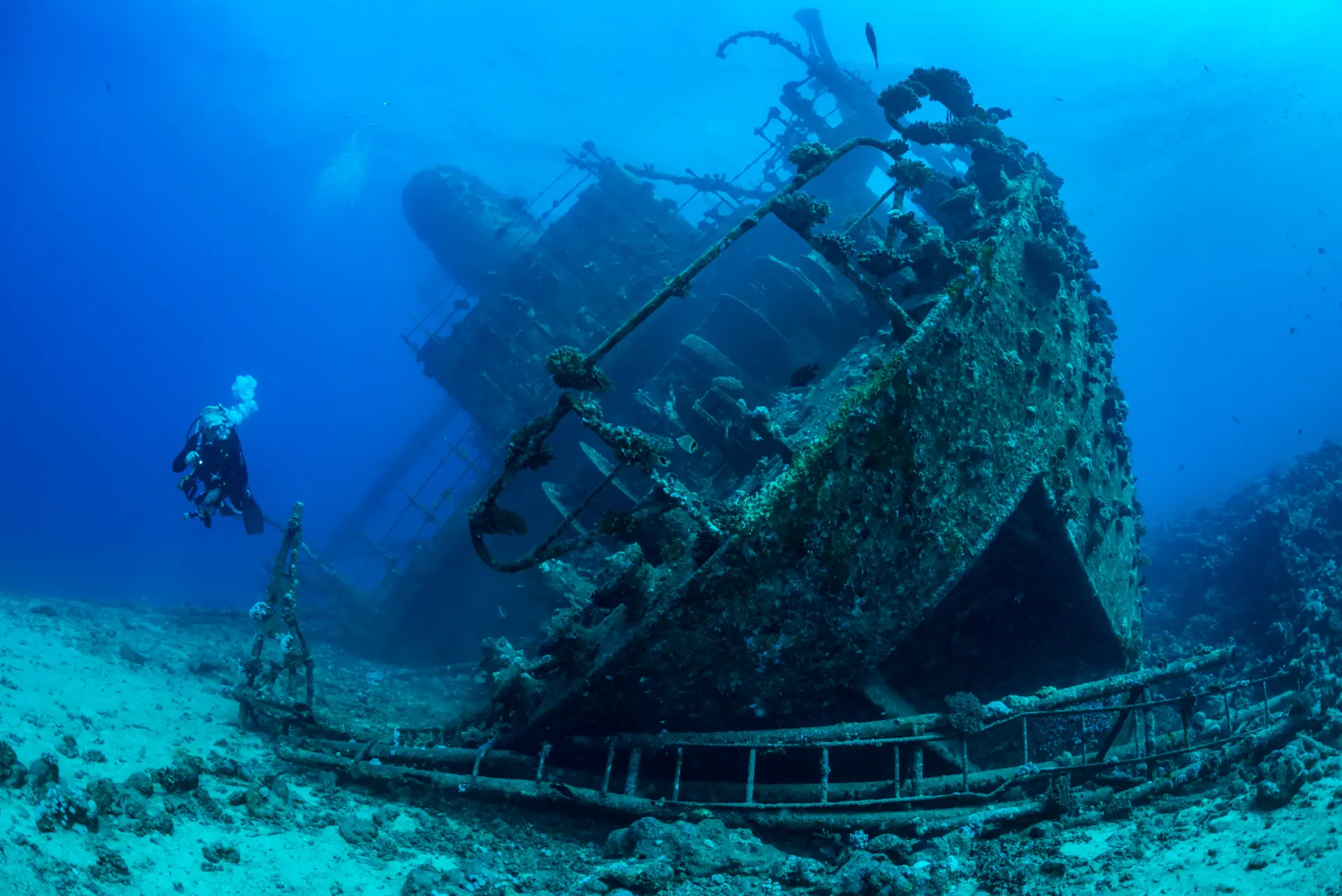
After running aground, the Giannis D broke in two and quickly sank to the seafloor, where she has remained ever since. Today, she lies on her port side in about 24 meters of water, her stern and bow sections largely intact and beautifully colonized by corals and marine life. Over the decades, the wreck has transformed from a maritime tragedy into one of the Red Sea’s most beloved dive sites.
Location and Dive Overview
The Giannis D lies off the northwestern coast of Egypt at Abu Nuhas Reef, about 80 kilometers northwest of Hurghada and close to the entrance of the Suez Canal. The reef is often referred to as the “Ship Graveyard” because several vessels — including the Carnatic, the Chrisoula K, and the Kimon M — have met a similar fate there.
Most dive trips to the Giannis D are done by day boat while diving in Hurghada or El Gouna, though liveaboard itineraries covering the northern Red Sea and the Straits of Gubal often include it as a highlight. The site’s depth, visibility, and structure make it suitable for divers with an Advanced Open Water certification or higher, though confident Open Water divers can enjoy the shallower sections with a guide.
Exploring the Wreck
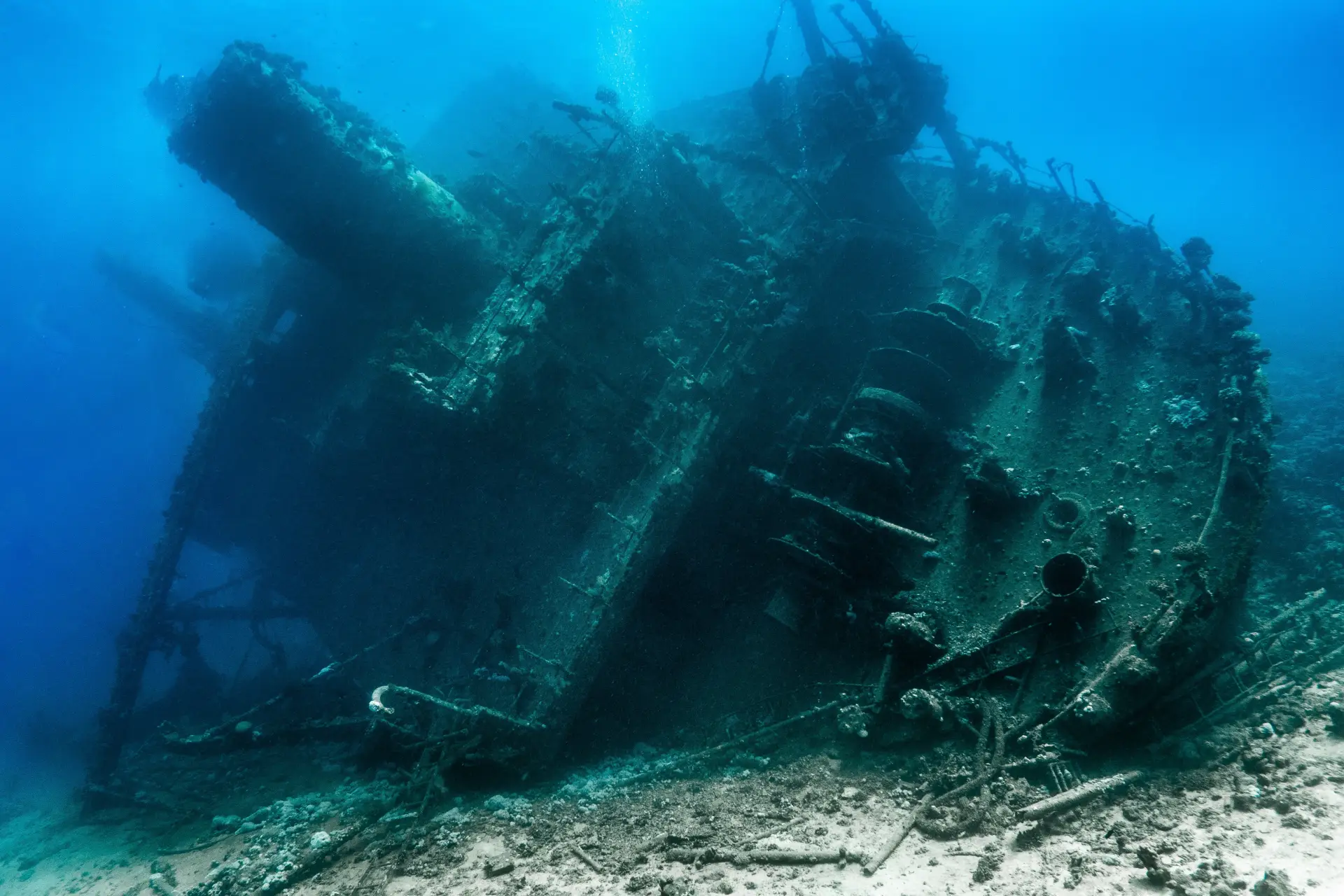
The wreck rests between 10 and 27 meters deep, providing plenty of time to explore within no-decompression limits. The most impressive section is the stern, which remains upright and intact, complete with the ship’s towering mast, large propeller, and iconic wheelhouse — a favorite spot for underwater photographers.
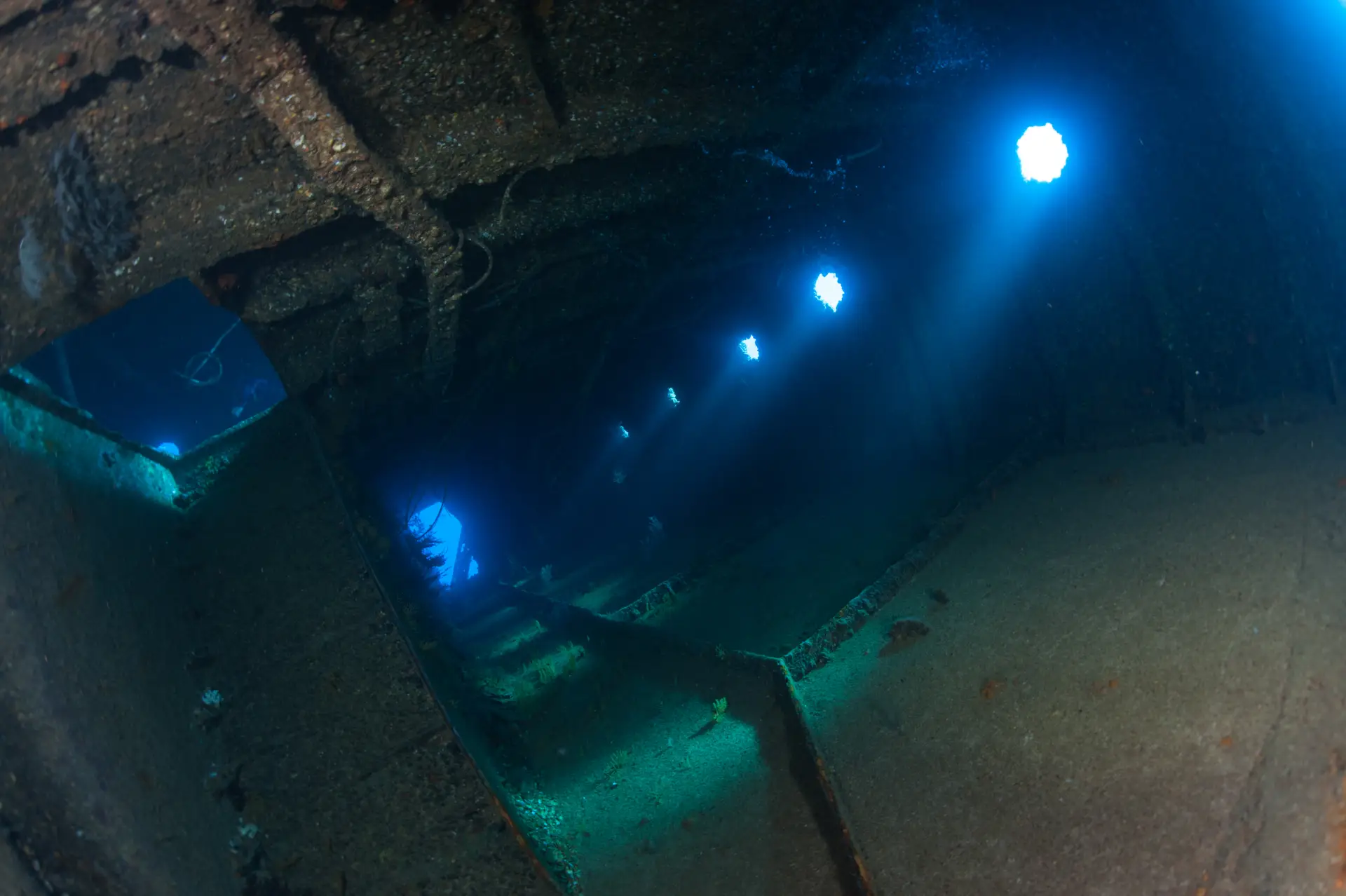
The interior of the stern is relatively open and accessible, allowing divers to swim through passageways, peek into cabins, and pass by the engine room, where machinery and piping remain frozen in time. Beams of sunlight filter through broken windows and doorways, casting haunting shadows across the wreck’s interior.
Moving toward the midsection, the wreck becomes more fragmented — a jumble of twisted metal and cargo that serves as a haven for marine life. The bow section, resting on its side, is heavily encrusted with soft and hard corals, providing a striking contrast between man-made steel and the natural reef that has reclaimed it.
Marine Life Around the Giannis D
Over four decades underwater, the Giannis D has transformed into a living reef teeming with biodiversity. Schools of glassfish shimmer inside the holds, while lionfish patrol the corridors in search of prey. Butterflyfish, angelfish, and anthias dart among the coral growth, and lucky divers might spot moray eels emerging from the shadows or a Napoleon wrasse cruising by.
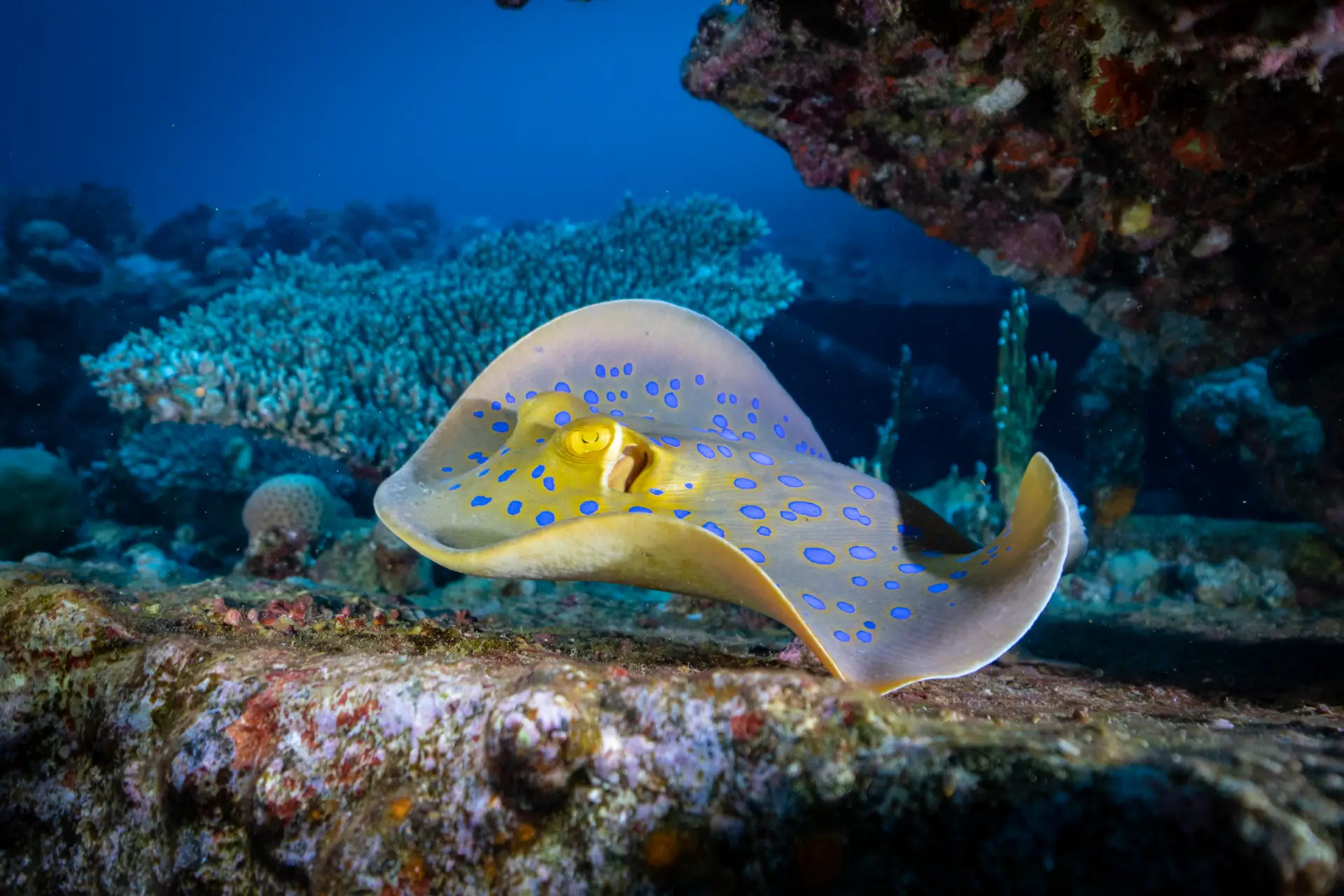
The wreck’s structure attracts both reef dwellers and open-water species. Blue-spotted stingrays rest in the sand near the stern, while trevally and barracuda occasionally appear in the blue. Even the hull itself serves as a foundation for a thriving coral garden, with soft corals, sponges, and tunicates covering almost every surface.
Dive Tips and Conditions
- Depth: 10–27 meters
- Certification: Advanced Open Water (or equivalent) recommended
- Visibility: Typically 20–30 meters
- Temperature: 22°C in winter to 29°C in summer
- Currents: Mild to moderate, but can be unpredictable around the reef
Because of its location at the edge of the reef, the site can experience surface currents and occasional surge. Good buoyancy control is essential, particularly when entering the wreck or swimming near fragile coral formations. Most divers complete one or two dives here — one focused on the exterior and another exploring the interior sections of the stern.
Photography Opportunities
The Giannis D is one of the most photogenic wrecks in the Red Sea. Sunlight pouring through the gaps in the hull creates dramatic contrasts, while the ship’s distinctive shape and vibrant coral growth make it a favorite subject for wide-angle shots. The wheelhouse is especially iconic — framed against the blue, it offers a perfect backdrop for diver silhouettes.
Macro photographers will also find plenty to love: colorful nudibranchs, feather stars, and tiny shrimps inhabit the nooks and crannies. For the best photos, plan a morning dive when the sunlight angles beautifully through the wreck’s open corridors.
Safety and Responsible Diving
While the Giannis D is a relatively safe wreck to explore, divers should still exercise caution. Penetration should only be attempted with proper training, equipment, and a qualified guide. Always monitor depth and air consumption closely — it’s easy to get absorbed in exploring the interior.
As with all dives in the Red Sea, responsible practices are essential. Avoid touching corals or disturbing the marine life that call the wreck home. This balance between history and nature is what makes the Giannis D so special — preserving it ensures future divers can share in its story.
Why the Giannis D Belongs on Every Diver’s List
The Giannis D wreck offers the perfect mix of adventure, history, and natural beauty. It’s accessible yet awe-inspiring — a site that captures the essence of diving in the Red Sea. Few other wrecks offer such a combination of intact structure, coral growth, and marine life in such clear, warm water.
Whether you’re a seasoned wreck diver or simply someone who loves exploring underwater history, the Giannis D delivers a dive that feels both mysterious and serene. It’s a living monument to time, transformation, and the enduring relationship between humans and the sea.
Final Thoughts
Diving the Giannis D is more than just exploring a sunken ship — it’s stepping into a story where nature and history intertwine. From the haunting wheelhouse to the coral-covered bow, every corner reveals something new. As you drift upward from the wreck, watching the outlines of the ship fade into the blue, it’s easy to understand why the Giannis D remains one of the most celebrated wrecks in the Red Sea.