
People talk about “diving the Red Sea” as if it’s one place you can point to on a map. It isn’t. The Red Sea runs more than a thousand miles from top to bottom, and the diving changes dramatically as you move down the coast — from easy, sunlit reefs perfect for your first warm-water trip to remote, current-swept walls where the big sharks live. Picking the right region matters, because a beginner-friendly week and a hardcore shark expedition can happen in the same sea and feel like two different planets.
Here’s a straightforward, north-to-south tour of where to dive, and who each area suits best.
Sharm el-Sheikh and the Sinai
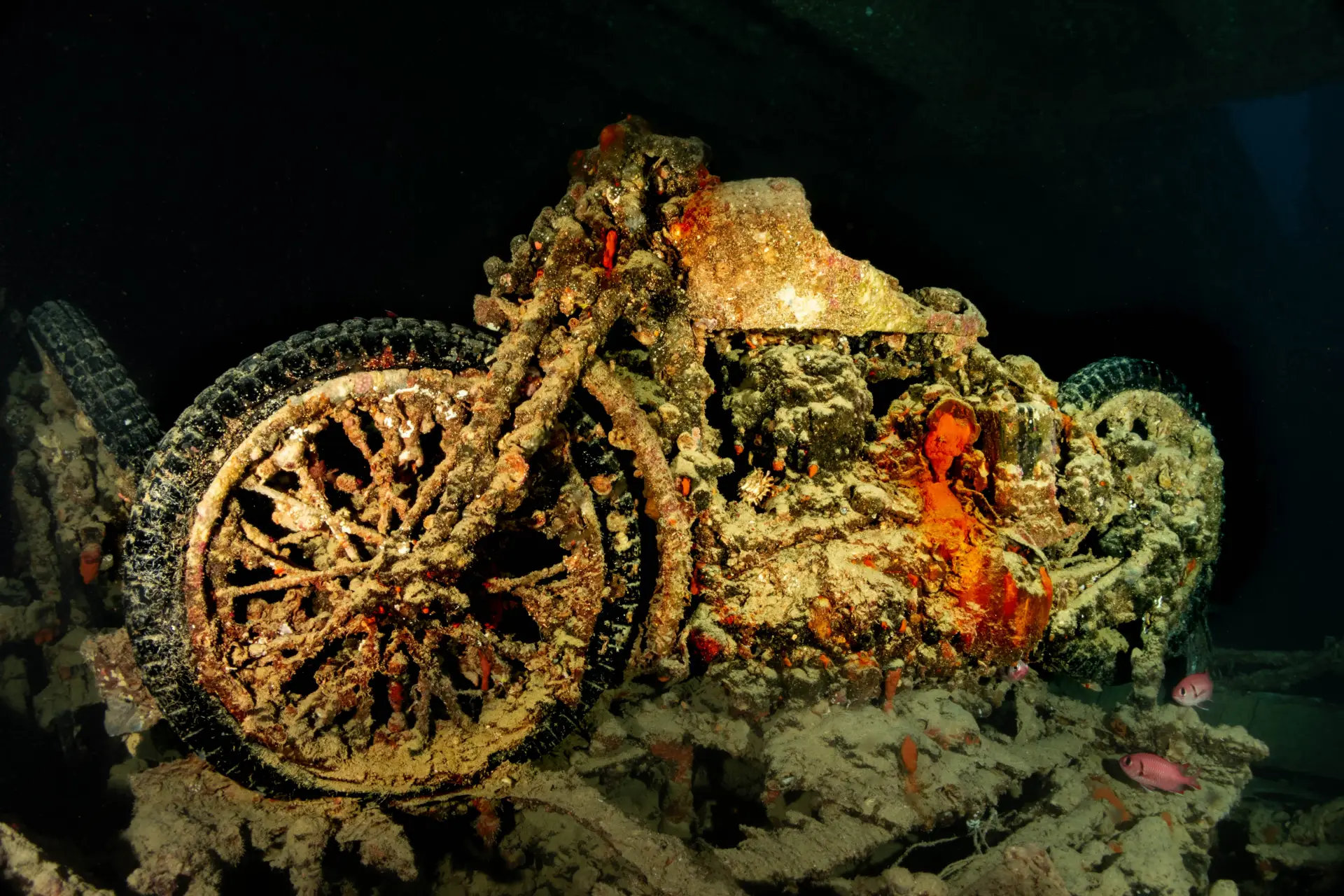
The northern tip of the Egyptian Red Sea is where a lot of divers get their first taste, and for good reason. Sharm el-Sheikh sits next to the Ras Mohammed National Park, home to some of the most famous walls and drop-offs in the region. Just offshore, the Straits of Tiran serve up four reefs — Jackson, Woodhouse, Thomas, and Gordon — with enough current to keep the coral alive and pull in bigger fish. This area also puts you within reach of the legendary Thistlegorm, a WWII cargo wreck still loaded with trucks and motorcycles. It’s a great mix of reef, wall, and wreck, and the infrastructure makes it comfortable for newer divers while still keeping experienced ones grinning.
 Dahab
Dahab
An hour or so up the coast from Sharm, Dahab is the Red Sea’s laid-back cousin. This is shore-diving country, where you can walk in off the beach at your own pace, and it’s home to the famous Blue Hole and the Canyon — dramatic geology that draws divers and freedivers from around the world. Dahab has a relaxed, backpacker-meets-diver vibe, and it’s a favorite for people who’d rather take their time than chase a packed boat schedule. It’s also one of the great freediving destinations on Earth.
Hurghada and El Gouna
Cross to the mainland side of the Red Sea and you reach the central hub around Hurghada and neighboring El Gouna. This is the region’s workhorse — well set up, easy to reach, and blessed with gentle, colorful reefs that make it ideal for training, families, and mixed-ability groups. It’s also wreck heaven. Nearby Abu Nuhas is nicknamed the “ship graveyard,” with several diveable wrecks like the Giannis D and the Carnatic sitting in accessible depths. If you want a stress-free week of pretty reefs with the option of some world-class wreck diving, this is a strong pick.
Marsa Alam and the south
Head down the coast and the diving gets wilder and more wildlife-driven. The area around Marsa Alam is where the Red Sea shows off its big animals. Seagrass bays like Abu Dabbab are famous for grazing dugongs and green turtles, while offshore reefs such as Elphinstone are known for drifting walls and, in the right season, oceanic whitetip sharks. A little further south, sites like Sataya draw resident pods of spinner dolphins. This region rewards divers who want encounters — turtles, dolphins, and the occasional shark — rather than just reef scenery.
 The offshore reefs: liveaboard territory
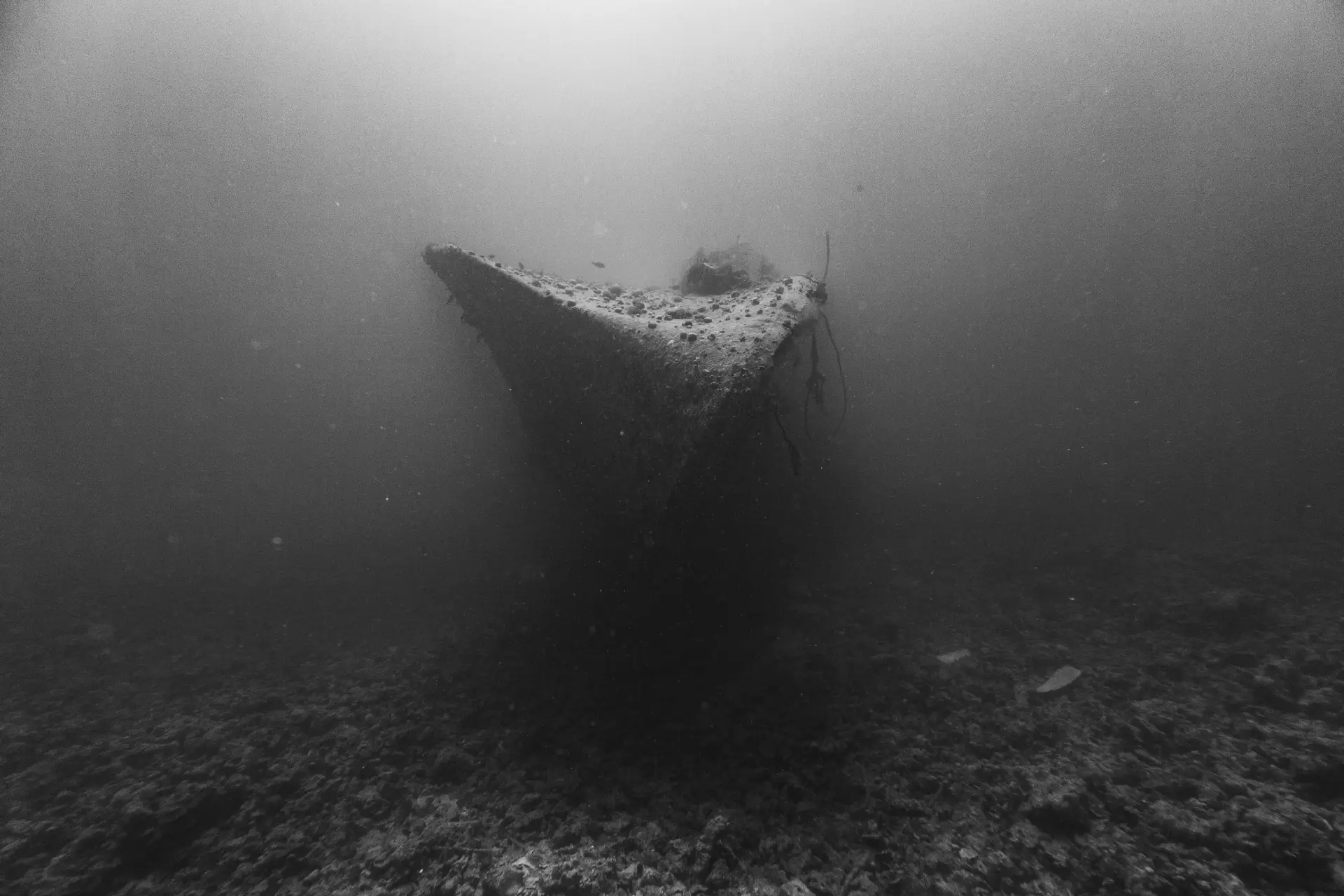
Some of the Red Sea’s very best diving isn’t reachable from any beach. Out in the open water sit the offshore reefs — most famously the Brothers Islands, Daedalus, and Elphinstone, often bundled into a single “BDE” liveaboard route. These are advanced sites: sheer walls dropping into deep blue, strong currents, and the real chance of hammerheads, thresher sharks, and oceanic whitetips cruising past. Down in the far south, the reef systems of Fury Shoals and St. John’s offer a gentler but equally remote experience, with pristine coral and swim-throughs far from the crowds. To dive any of this properly, you’ll want a liveaboard — a boat you sleep on so you wake up already parked over the next site.
The frontier: Sudan and beyond
For divers who’ve done Egypt and want something rawer, the Red Sea keeps going. Sudan’s coastline is remote, lightly dived, and steeped in history — this is where Jacques Cousteau ran his underwater living experiments, and where reefs like Sanganeb rise straight out of deep water teeming with sharks and schooling fish. It takes more effort and planning to get there, but that’s exactly the point: it feels like the Red Sea before the resorts arrived.
So where should you go?
The honest answer is that it depends on you. Newer divers and families tend to love the reefs around Hurghada and Sharm. Wreck fans have the Thistlegorm and Abu Nuhas. Wildlife chasers point south to Marsa Alam. And if you’re after big sharks and don’t mind current and depth, the offshore liveaboard routes are the main event. The beauty of the Red Sea is that it can be a gentle first tropical trip or a serious expedition — sometimes on the same coastline.
Figuring out which region fits your experience level, your travel dates, and the animals you’re hoping to see is exactly the kind of thing we love sorting out. At Rocket Frog Dive Travel, we build complete dive trips from the ground up — matching you to the right stretch of the Red Sea, sorting the land-based versus liveaboard question, and handling the logistics so all you have to think about is what’s on the next dive. When you’re ready to start planning your Red Sea adventure, we’re here to help you get it right.